
The Cost of Neglecting Log Home Maintenance often surprises homeowners, not because they expect log homes to stay perfect on their own, but because small issues turn into major repairs much faster than in traditional homes. Log structures breathe, move, absorb water, release moisture, and react to sunlight. When these natural processes go unmanaged, the logs begin to degrade in ways that are expensive—and sometimes impossible—to reverse. This article breaks down exactly how cause leads to effect, and how simple preventive steps protect homeowners from massive repair bills.
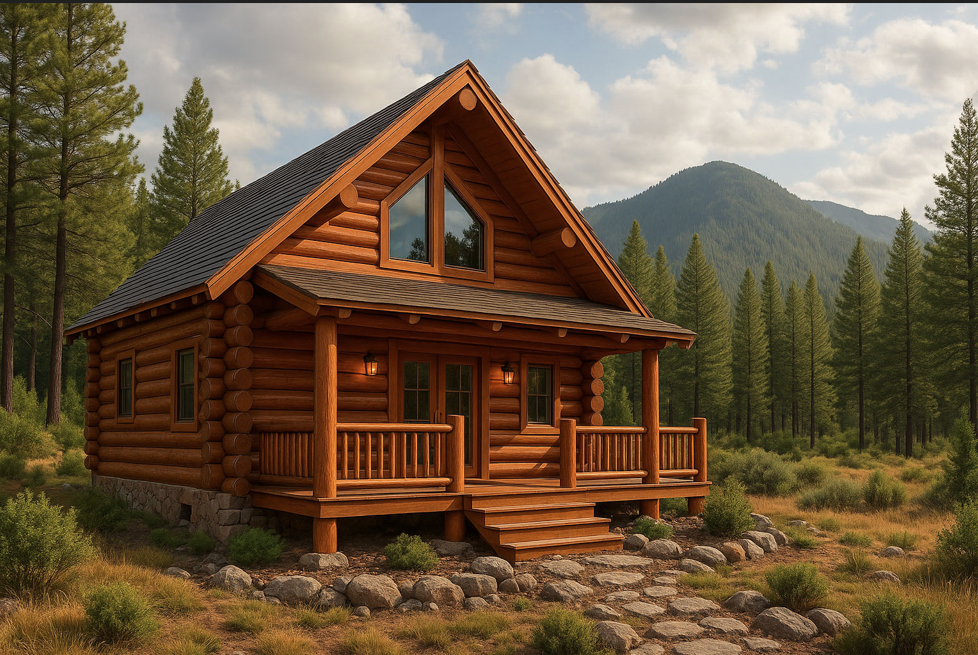
Understanding the Structure and Vulnerability of Log Homes
Log homes are beautiful, but they need balanced moisture levels, stable finishes, and intact chinking to stay strong. Unlike modern building materials, your logs are the structure—not just the exterior siding. This means any damage on the outside has a direct impact on the home’s integrity.
How Logs Respond to Moisture, Sunlight, and Temperature
Logs swell during wet seasons and shrink during dry ones. This constant movement creates openings where water can enter. UV light weakens protective coatings, while fluctuating temperatures amplify cracking.
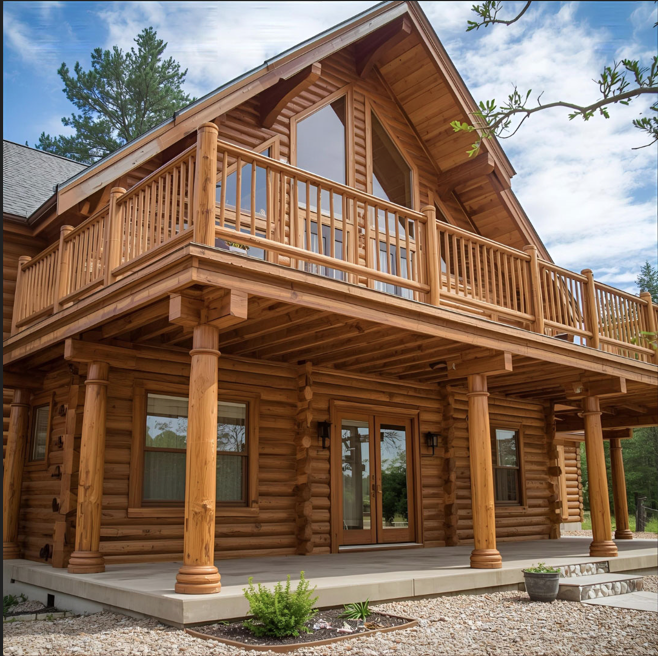
Why Maintenance Cycles Are Non-Negotiable
Log homes are often exposed to harsh weather, meaning stains, sealants, and chinking degrade predictably. Ignoring maintenance allows external forces—sun, rain, snow—to reach raw wood and begin the decay process.
What Water Intrusion Does to Logs Over Time
Water is the biggest enemy of any log structure. When it slips beneath the surface, the damage becomes slow and hidden.
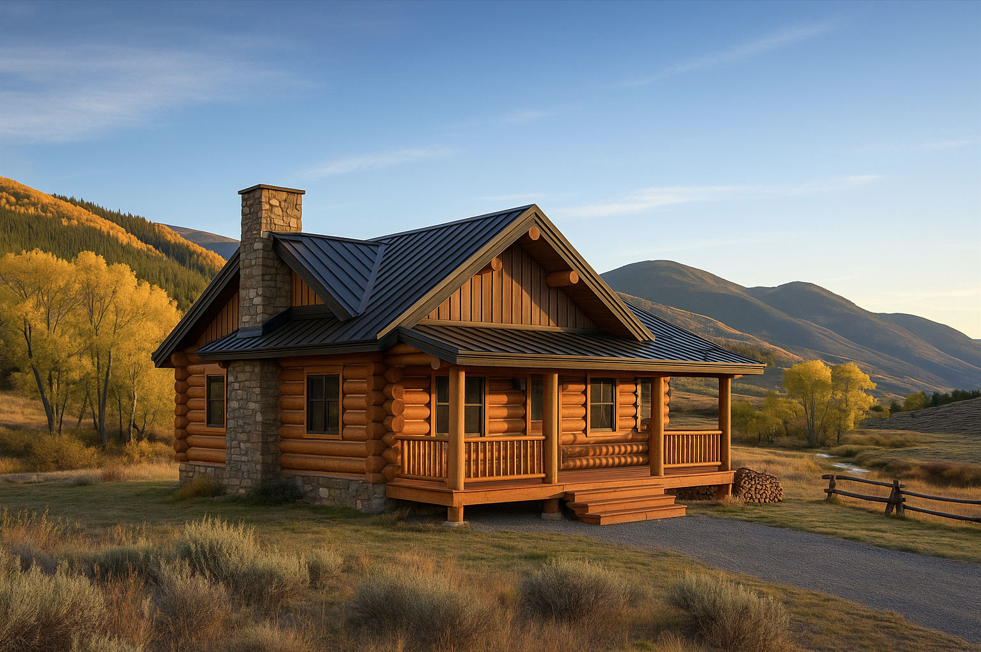
Capillary Action and Deep Moisture Wicking
Logs pull water inward like a sponge. Even a tiny gap can move moisture several inches deep.
Mold Growth and Hidden Internal Rot
A dark, wet environment forms inside the log, perfect for mold colonies. Early mold doesn’t always show outside.
Long-Term Effects on Log Density and Strength
Over years, moisture breaks down the wood fibers. Logs become soft, crumbly, and structurally weak.
Early Rot Detection: Signs Every Homeowner Should Know
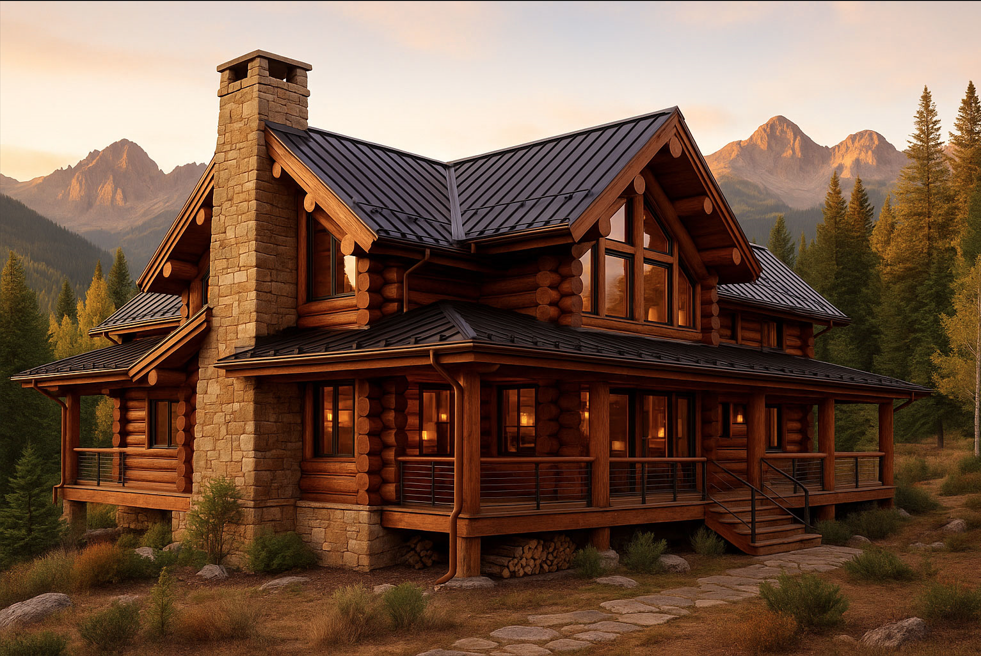
Rot often starts quietly, but catching it early can save thousands.
Soft Spots, Discoloration, and Musty Odors
Press a screwdriver gently into the wood—if it sinks in, the log is compromised.
Using Probing Tools and Moisture Meters
Affordable moisture meters reveal high internal moisture levels long before rot becomes visible.
When Professional Assessment Is Needed
If moisture readings stay high or the surface feels sponge-like, it’s time for expert evaluation.
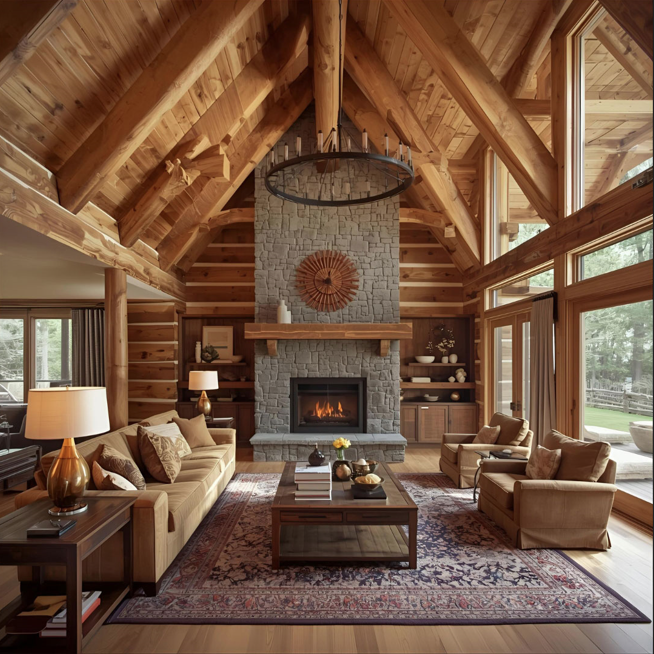
Why Chinking Failures Spread Quickly
Chinking seals gaps between logs. When it fails, moisture and air flow in rapidly.
Hairline Cracks That Lead to Big Problems
Small cracks widen during freeze-thaw cycles, allowing more water in.
Air Leakage, Heat Loss, and Moisture Entry
Moisture isn’t the only concern—lost heat raises energy bills and accelerates condensation.
Preventative Chinking Maintenance Cycles
A healthy chinking line should last 5–10 years, depending on weather and exposure.
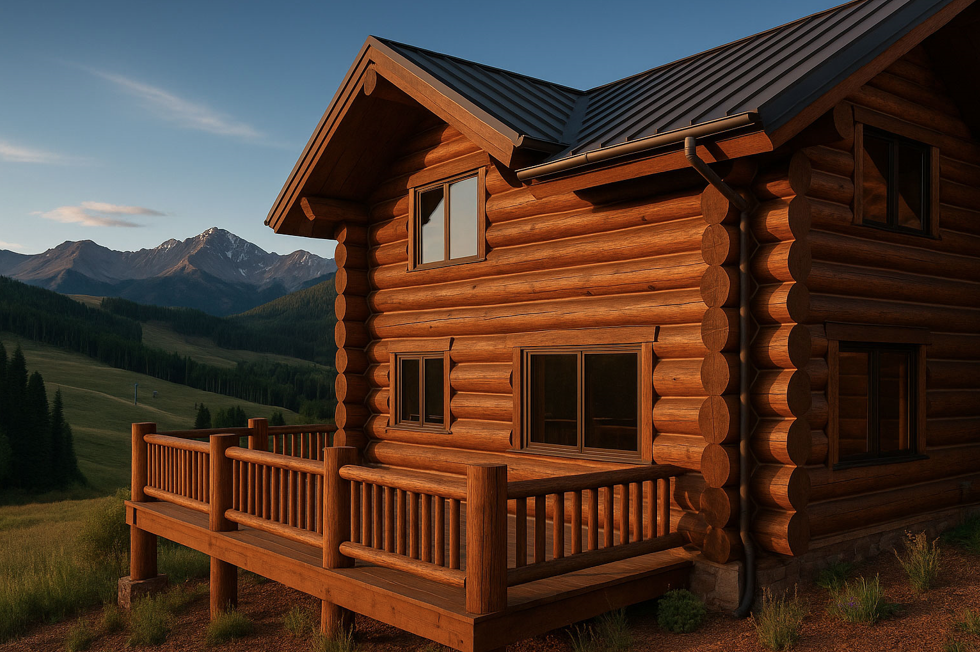
How UV Damage Breaks Down Finishes and Exposes Raw Wood
Sunlight is powerful enough to weaken the top layer of wood—even through stains.
Sunlight, Lignin Breakdown, and Surface Erosion
UV rays break down lignin, the natural “glue” that binds wood fibers.
When a Finish Stops Protecting the Logs
As finishes fade or flake, the wood absorbs more moisture and begins the degradation cycle.
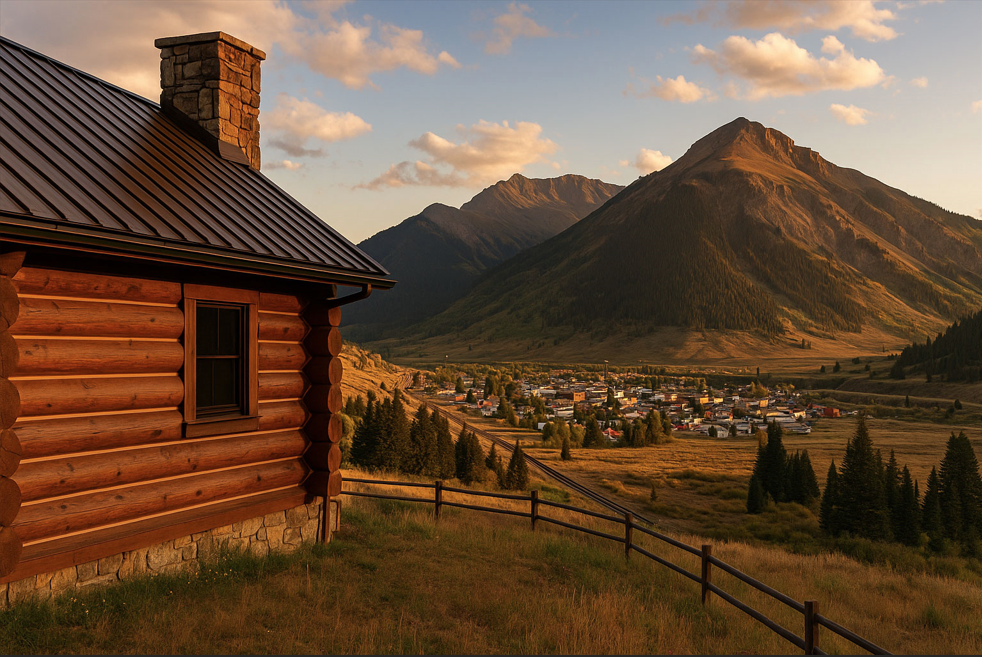
Cost Comparison: Prevention vs. Major Repairs
Preventive care costs much less than waiting for damaged logs to deteriorate.
Annual Maintenance Costs (Typical Ranges)
- Annual inspection: $150–$500
- Re-staining every 3–5 years: $2,500–$8,000
- Chinking touch-ups: $300–$2,000
Repair Costs When Maintenance Is Neglected
- Replacing one log: $400–$1,200
- Replacing multiple logs: $5,000–$25,000
- Full restoration: $20,000–$80,000
Replacing Logs vs. Restoring Logs
Restoration is far cheaper, but only effective before structural rot spreads.
For professional help, many homeowners rely on log cabin repair specialists who restore damaged logs and seal the home properly.
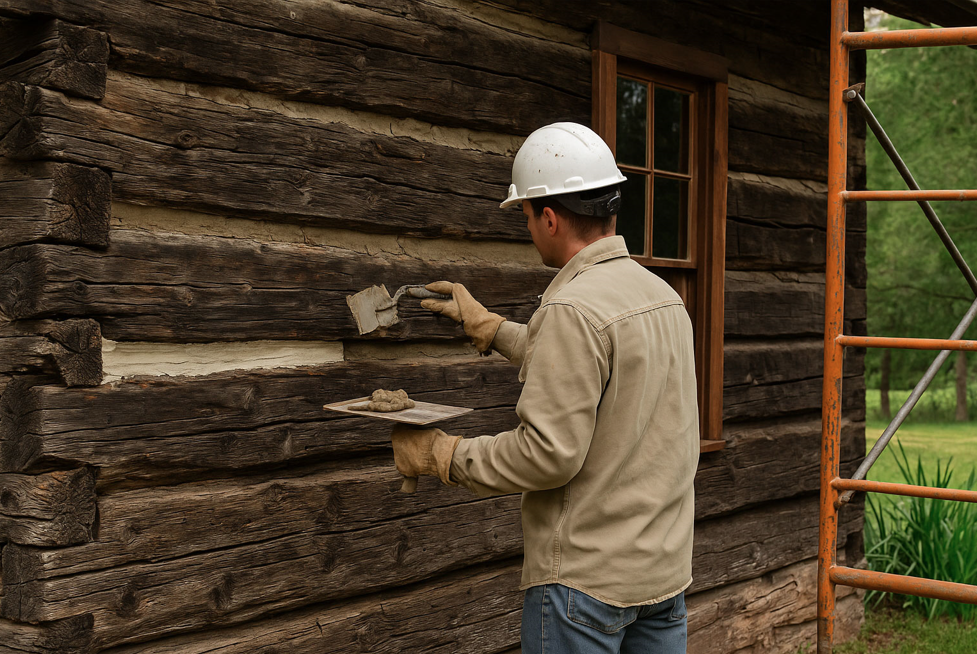
Realistic Timelines for Maintenance Cycles
A predictable schedule prevents most major issues.
Annual Checks
Inspect the entire home, including gutters, overhangs, chinking, and finishes.
Staining, Sealing, and Chinking Schedules
- Stain every 3–5 years
- Sealant every 2–3 years
- Chinking every 5–10 years
Climate-Based Adjustments
Humid climates require more frequent maintenance; dry climates cause more cracking.
The Long-Term Financial Impact of Neglect
Problems compound quickly when logs are unprotected.
Property Value Decline
Visible rot, faded finishes, and structural issues lower resale value by thousands.
Insurance Issues and Denied Claims
Some insurers deny moisture- or rot-related claims if maintenance hasn’t been documented.
How Professional Services Reduce Total Costs
Hiring experts early preserves the home.
When to Call Experts
If rot is present, moisture levels exceed 20%, or finishes have failed entirely.
What a Standard Inspection Includes
Most inspections identify rot pockets, failing chinking, water intrusion pathways, and UV exposure issues.
FAQs About The Cost of Neglecting Log Home Maintenance
- How quickly does rot spread in a log home?
Rot can spread in as little as one season if moisture levels stay high. - What’s the biggest cause of log damage?
Water intrusion—usually from failed stain, damaged chinking, or roof runoff. - How often should I stain my log home?
Every 3–5 years depending on climate and sunlight exposure. - Are DIY repairs enough?
DIY is fine for minor issues, but rot or deep cracks require professional repair. - Can neglected logs ever be fully restored?
Sometimes, but severely compromised logs must be replaced. - What’s cheaper: prevention or repair?
Prevention costs a fraction of major restoration or log replacement.
Conclusion
The Cost of Neglecting Log Home Maintenance is far more than a faded finish or a few cracks. It’s a long chain of cause and effect—water intrusion leads to rot, UV damage breaks down protective layers, and failed chinking accelerates everything. With predictable maintenance cycles and early detection, homeowners can prevent thousands of dollars in repairs and protect the long-term integrity of their log home.
