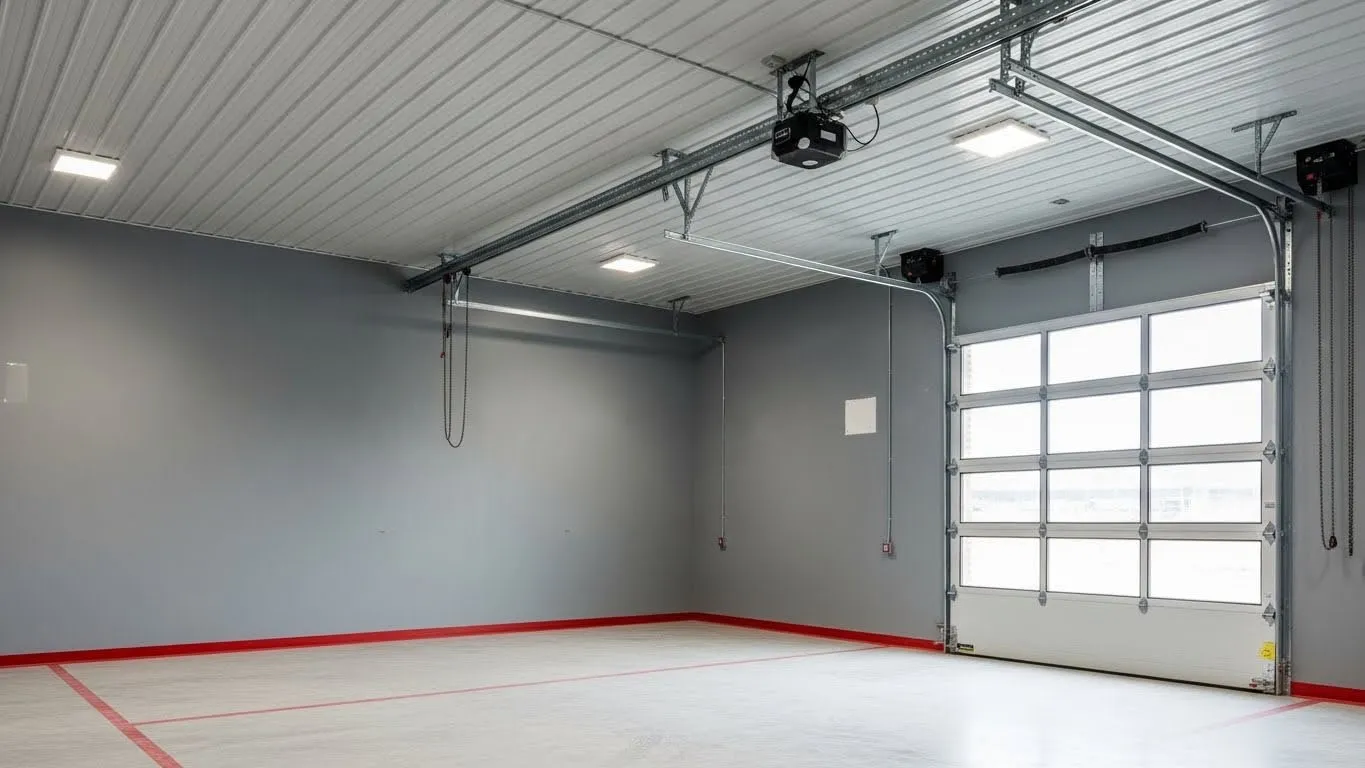
In today’s world, the demand for eco-friendly home design is at an all-time high. As awareness about the environmental impact of our lifestyle choices grows, more homeowners are seeking sustainable building solutions without compromising style or comfort. From the materials used to the construction methods adopted, eco-friendly home design has become an integral part of modern living. Let’s explore how steel buildings, in particular, play a critical role in this movement.
The Rise of Steel in Sustainable Living
Steel is not just a material; it’s a catalyst for innovation in sustainable architecture. Known for its strength, durability, and recyclability, steel has become increasingly popular in eco-friendly home design. One key advantage is its minimal environmental footprint throughout its life cycle, from production to construction and eventual recycling. This makes it a fantastic choice for the environmentally conscious homeowner.
Incorporating steel into home design doesn’t just stop at traditional building methods. The architectural world has been greatly influenced by structures like barndominiums in Canada. These innovative buildings combine the practicality of a barn with the comfort of a condominium, offering a stylish yet functional living space. Barndominiums frequently use steel frames due to their strength and sustainability, making them ideal for the eco-conscious homeowner.
Benefits of Steel in Eco-Friendly Home Design
There are numerous advantages to using steel for building eco-friendly homes:
-
Durability: Steel structures can withstand extreme weather conditions, making them ideal for the diverse Canadian climate.
-
Recyclability: Steel is one of the most recyclable materials available, which means minimal waste in construction.
-
Efficiency: Prefabricated steel building kits streamline the construction process, reducing energy and resource consumption on site.
-
Design Flexibility: Steel’s versatile nature allows architects to explore innovative designs, such as open-plan living, which can maximize natural light and reduce energy consumption.
Embracing Eco-Friendly Designs with a Steel Twist
Adopting steel in home design doesn’t mean compromising on aesthetics. Modern advancements allow for a seamless blend of traditional eco-friendly elements with contemporary steel structures. Here are a few design elements that can enhance the sustainability of a steel home:
1. Passive Solar Design
By integrating passive solar design principles, homeowners can significantly reduce their reliance on external energy sources. This involves strategically positioning windows, walls, and floors to collect, store, and distribute solar energy in the form of heat during the winter while rejecting it in the summer. In steel buildings, this is complemented by the material’s natural reflectivity and thermal mass capabilities.
2. Energy-Efficient Insulation
Insulation is paramount in any home design, but particularly in steel structures. Using high-performance insulation helps maintain indoor temperatures, which can drastically reduce the need for heating and cooling systems. This not only lessens environmental impact but also cuts down on energy bills.
3. Green Roofing Systems
Steel roofs can easily support green roofing systems. These roofs are covered with vegetation, which provides natural insulation, reduces stormwater runoff, and improves air quality. Aesthetically pleasing, green roofs also promote biodiversity and create additional space for urban gardening.
Steel Building Kits: The Future of Sustainable Construction
One of the most revolutionary developments in the steel building industry is the advent of steel building kits, like the 40×60 Steel Building Kit. These kits have transformed the way homes are constructed, offering numerous environmental benefits:
-
Reduced Waste: Precise fabrication ensures minimal leftover materials, reducing construction waste significantly.
-
Quick Assembly: Pre-engineering and prefabrication shorten construction time, reducing the overall impact on the environment.
-
Customizable Options: These kits offer flexibility in design, allowing homeowners to incorporate green features easily.
The Role of Technology in Eco-Friendly Steel Homes
Advancements in technology have further enhanced the sustainability of steel homes. Smart home systems and energy-efficient appliances can be seamlessly integrated into steel structures, enabling homeowners to monitor and reduce their energy consumption more effectively. Photovoltaic panels, geothermal heating, and innovative water recycling systems can all be blended into the building’s design, revolutionizing the way energy is produced and consumed in the home.
The Future of Eco-Friendly Home Design in Canada
Looking to the future, eco-friendly home design in Canada is set to become more popular as more citizens aspire to live sustainably. The government’s commitment to reducing carbon emissions and promoting green building standards will likely bolster this trend. Steel will undoubtedly play a crucial role in this shift, providing the perfect mix of durability, recyclability, and design flexibility.
Innovations in building techniques and materials will continue to evolve, pushing the boundaries of what’s possible in eco-friendly home design. For those looking to invest in a long-lasting, sustainable home, steel provides a compelling option that promises both ecological benefits and modern living comforts.
Conclusion
In summary, the integration of steel into eco-friendly home design represents a significant stride towards sustainable living. With its countless benefits, from longevity and recyclability to energy efficiency and design versatility, steel is setting the standard for environmentally friendly building practices. Whether through innovative concepts like barndominiums in Canada or the practical solutions offered by a 40×60 Steel Building Kit, steel is undeniably shaping the future of home design in the modern age.