
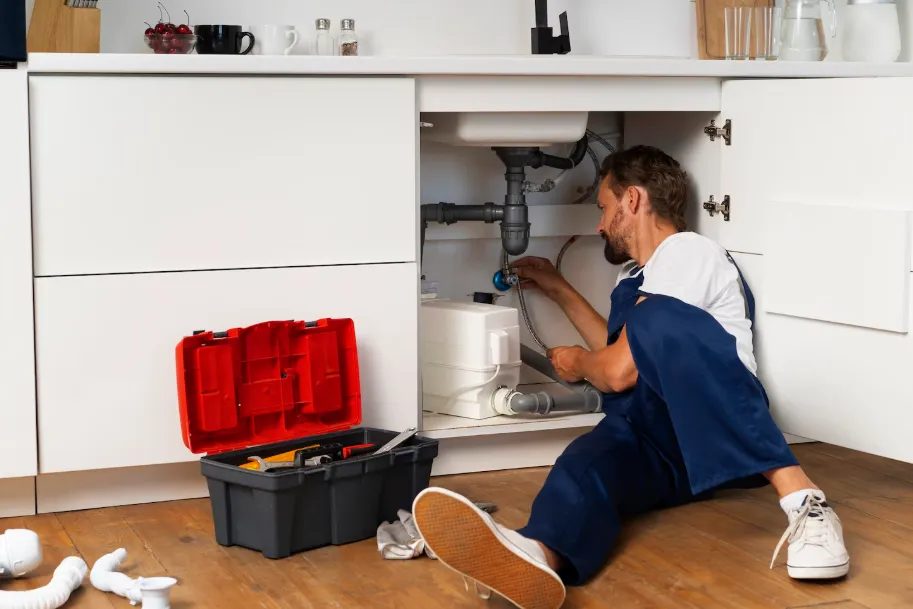
Blocked drains are one of those household problems that often go unnoticed—until they turn into a messy and expensive situation. Whether it’s a slow-draining sink, a foul smell coming from your pipes or water backing up in your bathroom, blocked drains can disrupt your daily routine and even damage your property if left untreated.
In this article, we’ll explore what causes blocked drains, how to fix them, and most importantly, how to prevent them from happening in the first place.
What Are Blocked Drains?
Blocked drains occur when something obstructs the normal flow of water through your plumbing system. This blockage can happen in sinks, toilets, showers, or even outdoor drainage systems. While some blockages are minor and easy to fix, others can require professional intervention.
The key to dealing with blocked drains effectively understands their root cause.
Common Causes of Blocked Drains
Blocked drains don’t happen randomly. In most cases, they are caused by everyday habits that gradually build up over time.
1. Grease and Fat Build-Up
One of the most common culprits in kitchen drains is grease. When cooking oil or fat is poured down the sink, it may seem harmless in liquid form. However, as it cools, it solidifies and sticks to the inner walls of pipes, eventually causing a blockage.
2. Hair Accumulation
In bathrooms, hair is a major cause of blocked drains. It binds with soap residue and forms clumps that clog pipes, especially in shower and sink drains.
3. Food Waste
Even with a garbage disposal unit, certain food items like rice, pasta, and coffee grounds can expand or clump together, leading to blockages.
4. Foreign Objects
Items like wipes, sanitary products, cotton buds, and even small toys can accidentally find their way into drains, causing serious obstructions.
5. Tree Roots
Outdoor drains and underground pipes can be affected by tree roots. Roots naturally seek moisture and can invade small cracks in pipes, eventually blocking water flow completely.
Warning Signs of Blocked Drains
Recognizing the early signs of blocked drains can save you time, money, and stress. Here are some indicators to watch for:
-
Slow draining water in sinks or bathtubs
-
Unpleasant odors coming from drains
-
Gurgling sounds in pipes
-
Water backing up in unexpected places
-
Frequent need for plunging
Ignoring these signs can lead to more severe plumbing issues, including pipe damage or flooding.
How to Fix Blocked Drains
The method you use to fix blocked drains depends on the severity of the issue. Some minor blockages can be handled at home, while others require professional help.
DIY Solutions
If the blockage is not too severe, you can try these simple methods:
-
Hot Water Flush: Pouring boiling water down the drain can help dissolve grease and soap buildup.
-
Baking Soda and Vinegar: This natural solution creates a chemical reaction that can break down minor clogs.
-
Plunger: A plunger can create pressure that dislodges blockages in sinks and toilets.
These methods are effective for small issues but may not work for more stubborn or deep blockages.
Professional Drain Cleaning
For persistent blocked drains, it’s best to call a professional plumber. They use advanced tools such as:
-
Drain snakes or augers
-
High-pressure water jetting
-
CCTV drain inspection
These methods ensure that the blockage is completely removed and help identify any underlying issues in your plumbing system.
The Risks of Ignoring Blocked Drains
Blocked drains might seem like a minor inconvenience, but ignoring them can lead to serious consequences.
Structural Damage
Water overflow from blocked drains can seep into walls, floors, and foundations, causing long-term structural damage.
Health Hazards
Stagnant water and waste buildup can become a breeding ground for bacteria and pests, posing health risks to your household.
Increased Repair Costs
A small blockage can turn into a major plumbing issue if not addressed promptly, leading to costly repairs or even pipe replacement.
Preventing Blocked Drains
Prevention is always better than cure when it comes to blocked drains. By adopting a few simple habits, you can keep your drainage system running smoothly.
Smart Everyday Practices
-
Avoid pouring grease or oil down the sink
-
Use drain covers to catch hair and debris
-
Dispose of food waste in the bin instead of the sink
-
Only flush toilet paper—avoid wipes and other products
Regular Maintenance
Scheduling regular drain cleaning and inspections can help detect problems early and prevent blockages from forming.
When to Call a Professional
While DIY solutions can be helpful, there are situations where professional help is necessary. You should contact a plumber if:
-
The blockage keeps returning
-
Multiple drains are affected at once
-
Water is backing up into your home
-
You notice unusual smells or noises
Professional plumbers not only fix the problem but also ensure that your drainage system is functioning efficiently.
Eco-Friendly Ways to Handle Blocked Drains
Many people rely on chemical drain cleaners, but these can be harmful to both your pipes and the environment. Instead, consider eco-friendly alternatives:
-
Use natural cleaning solutions like baking soda and vinegar
-
Install grease traps in kitchens
-
Opt for regular maintenance instead of reactive fixes
These methods are safer, sustainable, and often just as effective.
Final Thoughts
Blocked drains are a common yet preventable issue that can cause significant inconvenience if ignored. From grease buildup and hair accumulation to foreign objects and tree roots, understanding the causes is the first step toward effective prevention.
By adopting simple daily habits, staying alert to warning signs, and seeking professional help when needed, you can avoid the stress and cost associated with blocked drains. A little maintenance today can save you from major problems tomorrow.
Keeping your drains clear isn’t just about convenience—it’s about protecting your home, your health, and your peace of mind.