
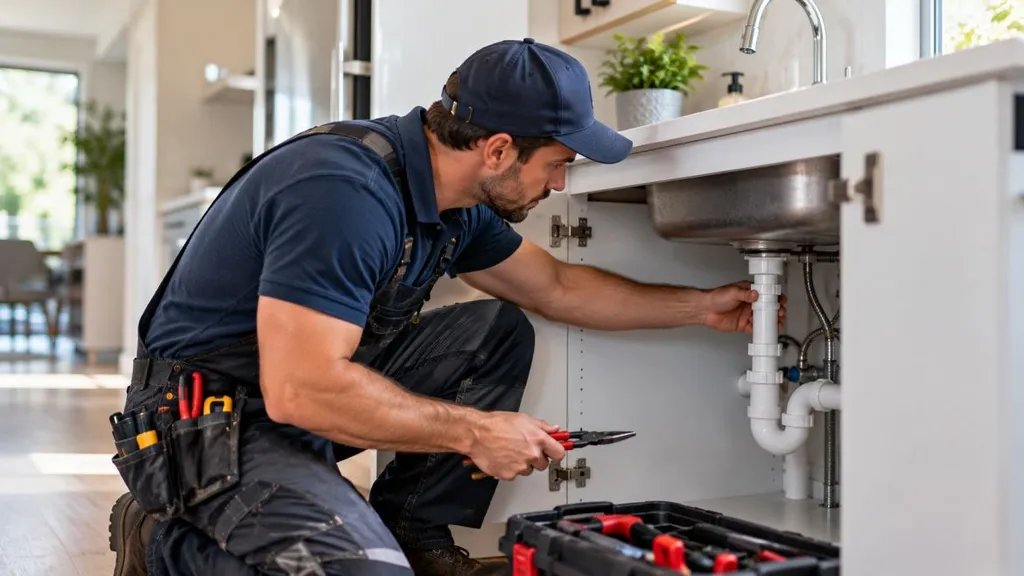
Managing a rental property involves more than collecting rent and arranging occasional decoration. Plumbing faults can affect tenant comfort, cause property damage, and create disputes when responsibilities are unclear. A leaking toilet or unreliable hot water supply may become particularly disruptive in an occupied home. For landlords, establishing a sensible maintenance process helps protect the building while supporting reasonable tenant expectations. Good preparation can also make repair decisions easier when problems occur unexpectedly.
Establish a Clear Reporting Procedure
Tenants should understand how to report plumbing problems and what information to provide. A simple reporting process can include photographs, descriptions of affected fixtures, and details of when the problem started. This information helps landlords assess whether an issue requires urgent attention.
Reports should be acknowledged and handled according to their seriousness. A minor dripping tap and a burst supply pipe require different responses. Landlords also need to follow applicable legal duties concerning repairs, safety, and reasonable access to occupied properties.
Inspect Plumbing Between Tenancies
The period between tenants provides an opportunity to examine fixtures that may be difficult to inspect during normal occupation. Visible pipework, toilet flush mechanisms, sink connections, and shower fittings can be checked for signs of deterioration or persistent leakage.
Particular attention should be given to areas beneath kitchen units and around bathroom seals. Moisture damage sometimes remains unnoticed behind stored belongings or furniture. Discovering these concerns before a new tenancy begins can prevent inconvenient repairs immediately after occupants move in.
Understand Emergency Repair Priorities
Some plumbing faults require prompt action because they threaten safety, sanitation, or the condition of the building. A major leak, severely defective toilet facilities, or significant disruption to essential water services should be assessed urgently. The appropriate response depends on the circumstances.
Landlords should ensure tenants know where the internal water stop tap is located. They should also provide suitable emergency contact arrangements. Clear instructions can reduce uncertainty during incidents, although tenants should never be encouraged to undertake dangerous repairs themselves.
Maintain Hot Water and Heating Reliability
Reliable hot water and heating are important for occupied rental homes. Landlords should respond appropriately when occupants report inconsistent temperatures, leaking radiators, or unusual heating performance. Delaying necessary investigation may allow an underlying fault to become more disruptive.
Maintenance should be organized around the actual installation. Plumbing repairs, radiator work, and central heating circulation checks may require different expertise from gas appliance servicing. Any gas-related work must be carried out by an appropriately Gas Safe registered engineer.
Keep Accurate Records of Repairs
Maintenance records provide a useful history of the property’s condition. Dates, reported symptoms, contractor details, completed work, and relevant invoices can help landlords understand recurring issues. Photographs may also establish the condition of accessible fixtures before and after repairs.
When arranging assistance from a local plumber southampton service, landlords should explain the fault, property access arrangements, and any previous work. Clear documentation supports communication and can help distinguish new problems from issues requiring further investigation.
Budget for Maintenance Without Delaying Repairs
Setting aside funds for repairs can make property management more predictable. Older bathrooms, heavily used fixtures, and aging pipework may require greater attention than newer installations. A realistic maintenance allowance should reflect property condition rather than relying on a fixed amount for every home.
Budgeting should not become a reason to postpone essential work. Where a fault threatens water damage or tenant safety, the immediate risk must take priority. Planned improvements and non-urgent replacements can then be considered separately, using professional findings and the property’s longer-term needs.
Improve Communication During Repair Appointments
Arranging plumbing repairs in an occupied rental property requires coordination between landlords, tenants, and contractors. Appointments should be organized with suitable notice, and tenants should understand which areas need to remain accessible. Clear communication helps prevent missed visits and unnecessary delays, particularly when repairs involve kitchens, bathrooms, or essential water supplies.
Landlords should also explain whether temporary water interruptions are expected and how long affected facilities may be unavailable, where this information is known. After completion, confirming the work undertaken and identifying any outstanding concerns helps maintain accurate records. This approach supports smoother repairs and reduces misunderstandings.
Conclusion
Effective rental property management depends on clear communication, sensible inspections, and timely plumbing repairs. Landlords who maintain useful records and establish emergency procedures are better prepared when problems arise. KJP Plumbing & Heating provides plumbing and heating-related services for properties in Southampton and surrounding areas. Professional assistance can support appropriate repairs while landlords remain responsible for meeting their legal obligations. A structured maintenance approach protects property condition, reduces avoidable disruption, and helps create a more reliable living environment for tenants.
